
Search
How I Finally Got AdSense Approved After 15 Rejections
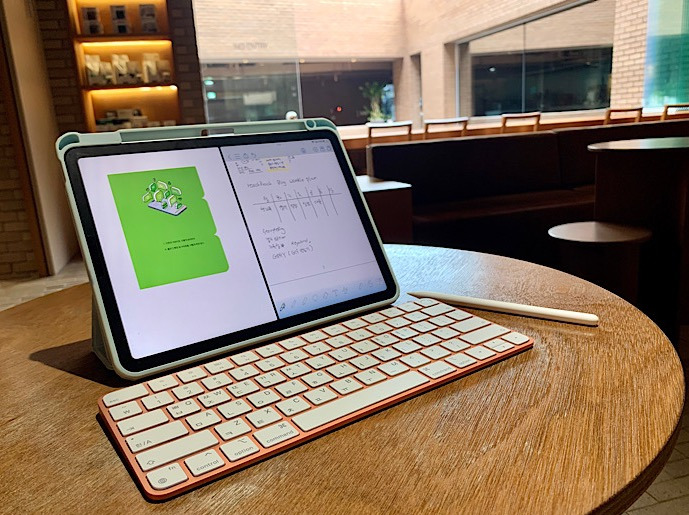
I'd just gotten the kids down, it was midnight, and my husband, my sister-in-law, and my brother-in-law were sitting around the table with me, each of us holding a can of beer, trying to figure out how we were actually going to make a living in this new life. That's when my brother-in-law mentioned, almost casually, that he ran an AdSense blog too. And that he'd gotten approved easily.
Easily. Meanwhile I was on rejection number fifteen. I remember thinking, quietly and a little bitterly, why is everyone else's path so smooth? Half out of habit, half out of hope, I opened my inbox one more time — and nearly dropped my phone.
This post is about everything that happened before that moment. Fifteen AdSense rejections, a week-long freeze on reapplying, and the specific shift that finally turned it into an approval.
Fifteen Rejections and a One-Week Lockout
3 Things That Actually Moved the Needle
1. Other People's Approval Stories Are Hints, Not Instructions

3. What Optimization Actually Looks Like
Your title and your body content need to match — that's what builds credibility.Use your actual target keyword, clearly, not just implied.
Take the Easy Way, and You'll Give Up Just as Easily
The night I got approved, I remember lifting my beer can practically to the ceiling as all four of us toasted. It felt disproportionate to the actual event, and I didn't care.When I first started, I had no idea how badly I'd end up wanting this. I began mostly because I already liked journaling, and thought — why not just write a little longer, a little more often? Every video and blog I'd researched beforehand made approval look almost effortless. I found out the hard way that nothing worth having is actually that easy.Two people can do the exact same work and land in completely different places — one breezes through, the other spends months wondering what they're doing wrong. But here's what I noticed: the harder the process, the more it actually gives you back. Some people get approved and lose the drive to keep writing. Others, like me, go through a genuinely rough stretch of self-doubt and rejection — and come out the other side more committed, not less. The harder-won result just ends up mattering more.

This Is Where the Real Work Starts
Whatever comes next on the monetization side is a different story entirely. This is really just the beginning, and the road to actual income is proving to be a long one. When I hit my first real income milestone, I'll be back with the numbers.
*All photos are personally taken unless otherwise noted