
Learning America’s School Safety Rules

One month into international school, I thought we'd already cleared the hard part. My son was tanned from actual sunlight, chattering to himself in English while he played with his blocks at home, and I remember thinking, this is exactly why we moved to Jeju.
Then came the afternoon pickup that changed how I understood the whole system.
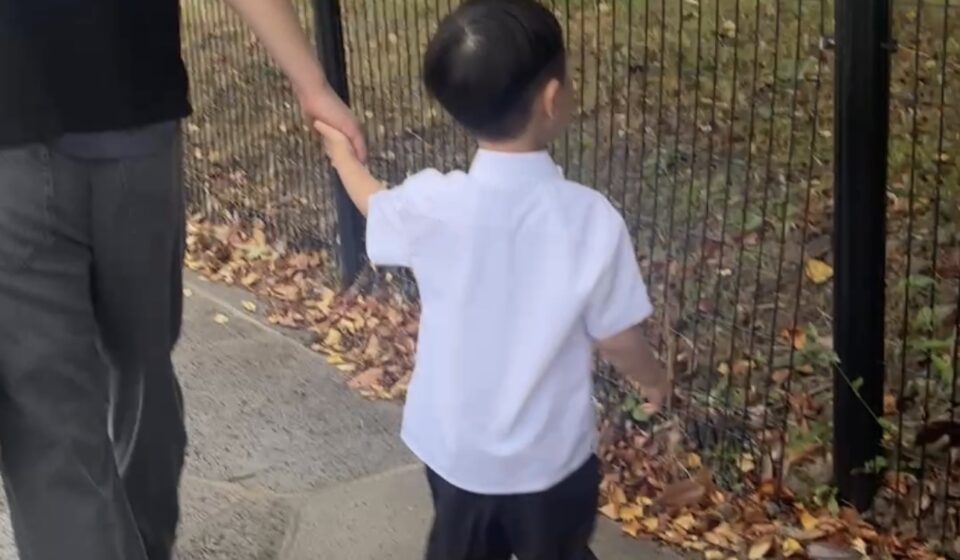
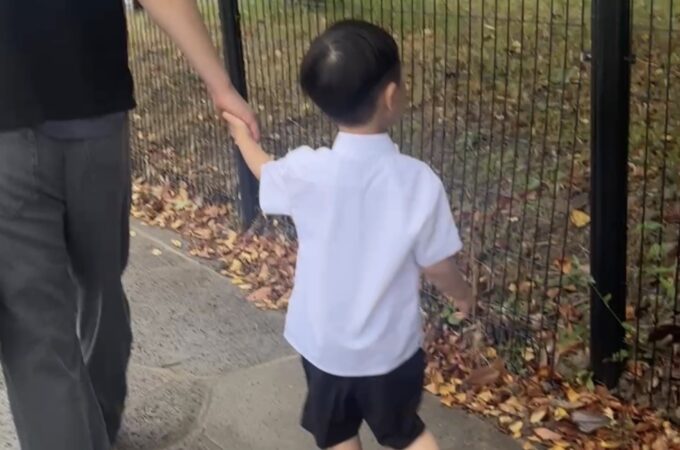
He was waiting at the gate with a face I hadn't seen since our first week in Korea before the move — small, closed off, holding something in. The second I hugged him, he grabbed my hand and pulled. He told me he'd needed to use the bathroom hours earlier and had said so, clearly, to his teacher. Her answer: "Recess is something you do on your own." So he waited. All day. Rather than figure out the bathroom by himself, my six-year-old chose to hold it until I picked him up.
I half-ran him to the security guard's bathroom by the front gate, my mind spinning the whole way. He's six. Six. At his old English kindergarten, the teachers handled every little thing — and here we are paying school fees in the tens of thousands of dollars a year, and they can't manage this? For a moment, I was furious at a teacher I actually liked.

Why This Line Exists


A Communication Tip Worth Stealing
It's a small shift with real effects
Here's the detail I'd tell any parent moving into this system: the school communicates almost entirely through a messaging app, and word choice does real work there. I started swapping "I" for "we" — not "I want him to practice at home" but "we're working on this with him at home."
It's a small shift with real effects:It signals a united front. "I" reads as one parent's individual opinion. "We" reads as a parenting team's agreed-upon approach — and teachers take that more seriously.It builds a partnership, not a handoff. Saying "we'll work on this together" tells the teacher she's not carrying the problem alone; you're both on the same team.It softens the tone. "I need you to do X" can land as a demand. "We're hoping to find a way to do X together" invites collaboration instead of triggering defensiveness.
If you're new to communicating with teachers in English, this is a genuinely useful habit to build early.